
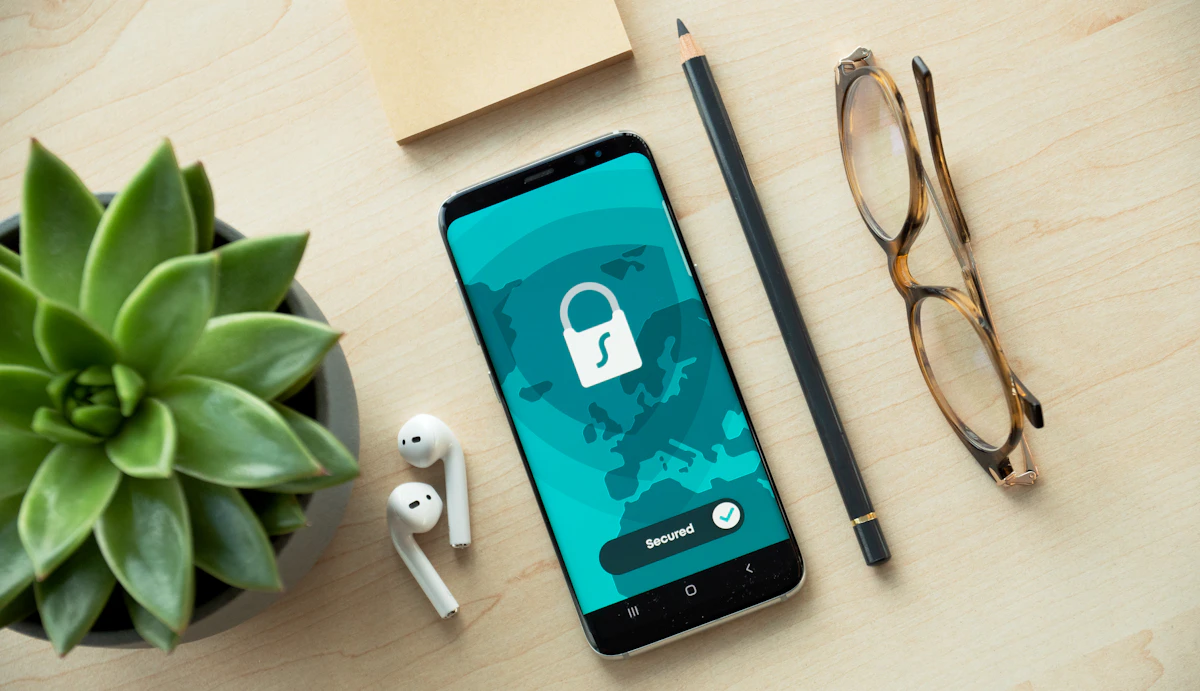
How a handful of logins becomes an unmanageable pile
The trouble rarely arrives all at once. It accumulates.
You start with one memorable password and reuse it because remembering a dozen unique ones is genuinely hard. Then a site demands a symbol and a number, so you make a variant. Another forces a reset, so now there are two versions floating around. Some passwords end up saved in Chrome, others in Safari on your phone, a few written in a notebook drawer, and a couple you simply can't recall at all.
Updating anything makes it worse. Change a password on your laptop and the version your phone remembers is suddenly wrong. Multiply that across years and devices, and the real issue isn't any single password. It's that you no longer know where each credential lives or which copy is current.
A password manager doesn't ask you to memorize your way out of this. It gives every credential one address instead of ten.
Why organization matters more than complexity
There's a common assumption that password security is mostly about difficulty — longer strings, stranger characters, more of both. That's part of it, but only part.
Just as much depends on how credentials are stored, retrieved, updated, and shared. A fiendishly complex password saved in a plain text file on your desktop isn't doing you many favors. A structured, encrypted place to keep everything changes the equation, because it addresses the whole lifecycle of a credential rather than the strength of one string.
NordPass builds its service around that idea. It keeps passwords, passkeys, credit card details, private notes, and other sensitive information inside an encrypted vault. Its documentation describes that vault as using XChaCha20 encryption together with a zero-knowledge architecture, meaning the system is designed so that the provider cannot read what you store. The practical upshot: your information stays protected while remaining available across the devices you actually use.
What NordPass actually does
NordPass is a password and passkey manager built for both personal and business use. Stripped to its core, it gives your credentials one home and then makes daily logins less tedious. Here's how the everyday pieces fit together.